


A Multidimensional Comparison of Steel-Structure and Steel-Concrete Residential Buildings
Jun 13, 2026
Leave a message

In the field of residential construction, steel-structure and steel-concrete structures are two common building types. The following is an objective comparison of the two across several aspects.
I. Structural Dead Weight and Foundation Costs
Steel-structure residences utilize steel as the primary load-bearing component; the material density is approximately three-fifths that of steel-concrete structures. For the same floor area, the total weight of a steel-structure residence can be reduced by 25% to 35%. Due to the lower dead weight, requirements for foundation bearing capacity are relatively lower, resulting in reduced foundation treatment costs. Conversely, steel-concrete residences, due to their greater weight, require denser pile foundations or thicker foundation slabs in areas with soft soil.
II. Construction Cycle and Industrialization Level
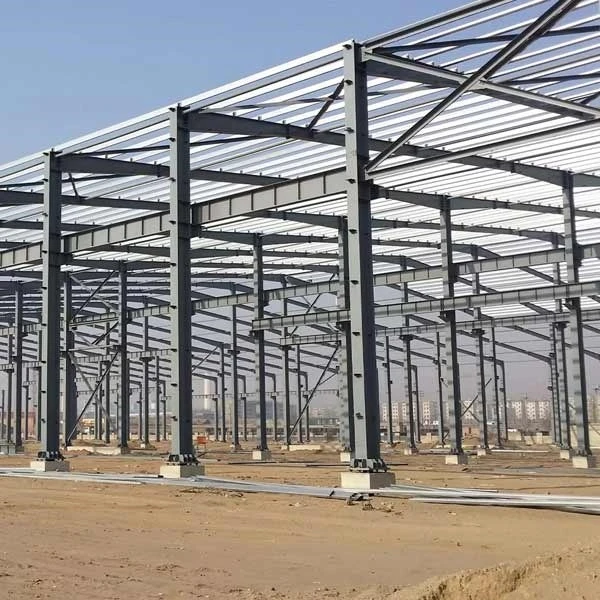
Components for steel-structure residences are prefabricated in factories, requiring only bolting or welding for on-site assembly; this involves fewer connection points and a high degree of standardization. Steel-concrete residences require on-site rebar tying, formwork erection, concrete pouring, and a curing period, with a construction cycle of approximately 7 to 10 days per floor. Steel-structure residences are not significantly affected by low winter temperatures or rainy seasons, whereas concrete strength development in steel-concrete structures is slow in low-temperature environments.
III. Spatial Layout and Usable Area
Steel-structure residences employ frame or frame-tube systems, featuring relatively small beam and column cross-sections. Compared to steel-concrete residences, column cross-sections in steel-structure residences can be reduced by approximately 30% to 40%, resulting in fewer exposed beams and columns within the living space. Within the same building footprint, the usable area of a steel-structure residence can increase by 3% to 6%. In contrast, the greater beam depth in steel-concrete residences encroaches upon the interior clear height.
IV. Seismic Performance and Ductility
Steel possesses excellent ductility; under strong seismic activity, steel-structure residences dissipate energy through plastic hinges at beam ends, meaning components may crack but the structure is unlikely to collapse. Steel-concrete residences rely on the synergistic action of concrete and rebar, resulting in relatively limited ductility. Under identical seismic design standards, steel-structure residences are subject to more lenient limits regarding peak displacement angles. However, it should be noted that steel-structure residences have stringent requirements regarding the quality of welded connections, as well as anti-corrosion and fire-protection measures.
V. Corrosion and Fire Protection and Maintenance Costs
For steel-structure residences, the steel components require heavy-duty anti-corrosion coatings or galvanization when situated in humid or corrosive environments; fire-retardant coatings are typically applied to provide supplementary fire protection. In contrast, the concrete in steel-reinforced concrete residences inherently possesses a degree of fire resistance and creates an alkaline environment that inhibits corrosion. However, issues such as concrete carbonation and rebar corrosion tend to emerge after 20 to 30 years, and remediation is difficult. Repairing the coatings on steel-structure residences is relatively straightforward, reflecting the different maintenance approaches required over their respective lifecycles.
Send Inquiry