


Steel Structures Meet Diverse Process Requirements
May 24, 2025
Leave a message
Steel structures are widely used in industrial facilities, commercial buildings, and infrastructure projects due to their strength, durability, and adaptability. Different industries-such as chemical plants, power stations, food processing, and pharmaceutical manufacturing-have unique process requirements that influence steel structure design.
1. Key Factors Influencing Steel Structure Design
(a) Load-Bearing Capacity
Heavy industrial plants (e.g., steel mills, oil refineries) require high-strength steel with reinforced supports.
Warehouses & logistics centers prioritize wide-span structures for unobstructed storage space.
Seismic & wind-resistant designs are critical in earthquake-prone or hurricane-affected regions.
(b) Corrosion Resistance
Chemical & marine environments demand stainless steel or galvanized coatings.
Food & pharmaceutical facilities use hygienic, easy-to-clean steel surfaces (e.g., polished stainless steel).
(c) Thermal & Fire Resistance
High-temperature industries (e.g., furnaces, power plants) use fire-resistant steel alloys and insulation.
Cold storage facilities require thermal breaks to prevent condensation and structural weakening.
(d) Modularity & Flexibility
Prefabricated steel structures allow quick assembly and future expansion.
Adjustable frameworks support changing production layouts in manufacturing plants.
2. Industry-Specific Applications
(a) Oil & Gas Industry
Offshore platforms & refineries use high-grade steel (e.g., ASTM A572) to withstand harsh conditions.
Explosion-proof designs incorporate blast-resistant steel panels.
(b) Food & Beverage Processing
Stainless steel (304/316 grades) prevents contamination and meets FDA/EU hygiene standards.
Smooth, weld-free surfaces minimize bacterial growth.
(c) Pharmaceutical & Cleanrooms
Modular steel walls & ceilings enable sterile environments with airtight sealing.
Anti-static coatings prevent dust accumulation.
(d) Automotive & Aerospace Manufacturing
High-precision steel frames ensure alignment for robotic assembly lines.
Lightweight yet strong alloys (e.g., high-strength low-alloy steel) reduce structural weight.
3. Advanced Steel Solutions for Process Optimization
(a) Smart Steel Structures
IoT-enabled monitoring tracks stress, corrosion, and fatigue in real time.
Self-healing coatings automatically repair minor cracks.
(b) Sustainable Steel Construction
Recycled steel reduces environmental impact.
Energy-efficient designs (e.g., solar-integrated steel roofs) lower operational costs.
(c) Custom Fabrication Techniques
Laser cutting & CNC bending ensure precision for complex geometries.
Bolted connections (vs. welding) allow easier disassembly and reconfiguration.
4. Choosing the Right Steel Structure Supplier
Certifications: Look for ISO 9001, AISC, and EN 1090 compliance.
Material testing: Ensure suppliers provide mill test reports (MTRs) for traceability.
Case studies: Review past projects in similar industries.
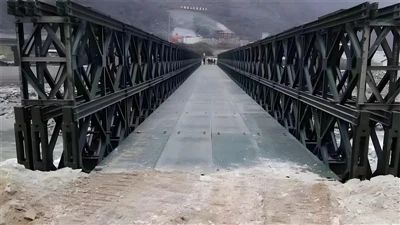
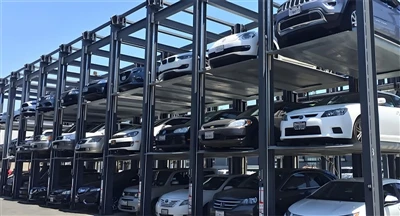
Steel structures offer unmatched versatility in meeting diverse industrial process requirements. By selecting the right materials, coatings, and design approaches, businesses can optimize performance, safety, and longevity. As technology advances, innovations like smart monitoring and sustainable steel solutions will further enhance their role in modern industrial applications.
Send Inquiry