


What is the role of steel structures in power plant energy conservation?
Jun 13, 2025
Leave a message
Hey there! As a supplier of steel structures for power plants, I've been thinking a lot about the role of steel structures in power plant energy conservation. So, I decided to sit down and share my thoughts with you all.
First off, let's talk about why energy conservation in power plants is such a big deal. Power plants are huge consumers of energy and resources. They burn tons of coal, gas, or use other energy sources to generate electricity. And with the increasing demand for electricity worldwide and the growing concern about environmental issues like climate change, finding ways to make power plants more energy - efficient is crucial.
Now, let's dive into how steel structures come into play. One of the main advantages of steel structures in power plants is their strength - to - weight ratio. Steel is incredibly strong, yet it's relatively lightweight compared to other building materials like concrete. This means that when we use steel to build power plant structures, we can use less material overall. Less material means less energy is required to manufacture, transport, and install these structures.
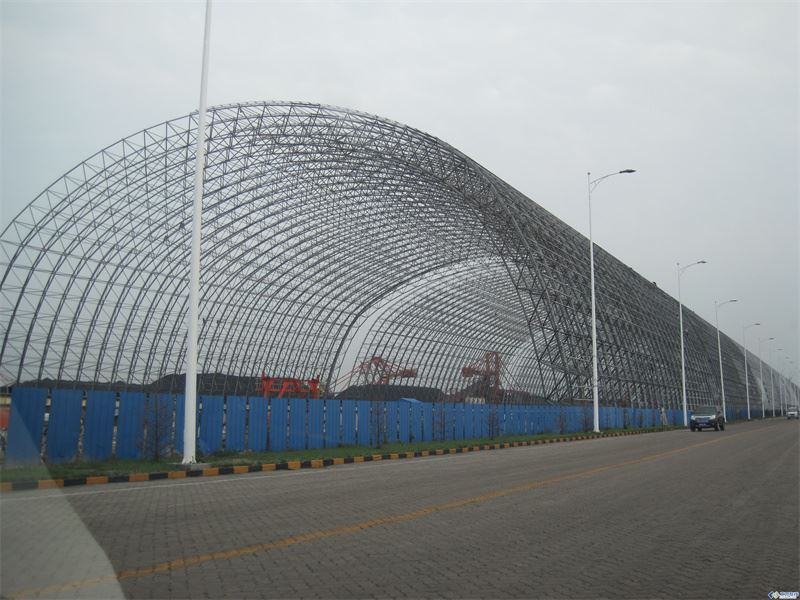

For example, take a Steel Structure Coal Shed. Coal is a major fuel source in many power plants. A coal shed needs to be strong enough to protect the coal from the elements, but also large enough to store a significant amount of it. With a steel structure, we can design a shed that is both robust and lightweight. The steel components can be pre - fabricated in a factory, which is much more energy - efficient than on - site construction. The pre - fabrication process allows for better quality control and reduces waste, as the pieces are cut and assembled with high precision.
Another aspect is the flexibility of steel structures. Power plants often need to be upgraded or modified over time to improve efficiency or meet new environmental regulations. Steel structures can be easily adapted and expanded. We can add new sections, change the layout, or install new equipment without having to tear down the entire structure. This saves a huge amount of energy that would otherwise be used in demolishing and rebuilding.
Let's say a power plant wants to install new pollution - control equipment. With a Steel Structure Warehouse, we can simply modify the existing structure to make room for the new machinery. This is much more energy - efficient than building a whole new warehouse from scratch.
Steel also has excellent thermal properties. In a power plant, there are areas where temperature control is crucial. For instance, some equipment needs to operate within a specific temperature range to function efficiently. Steel can be insulated effectively to maintain the desired temperature. We can use high - performance insulation materials in combination with steel structures to reduce heat transfer. This means that less energy is used for heating or cooling these areas.
Moreover, steel structures can be designed to optimize natural lighting and ventilation. In a Steel Structure Venue within a power plant, such as an administrative building or a maintenance workshop, large windows and proper ventilation systems can be incorporated into the steel framework. Natural light reduces the need for artificial lighting during the day, and good ventilation helps in maintaining a comfortable indoor environment without relying too much on mechanical heating, ventilation, and air - conditioning (HVAC) systems. This directly contributes to energy savings.
When it comes to the long - term, steel is a sustainable material. It's highly recyclable. At the end of a power plant's life cycle, the steel structures can be recycled and used to make new products. Recycling steel uses significantly less energy compared to producing new steel from raw materials. This not only conserves energy but also reduces the environmental impact associated with mining and processing new iron ore.
In addition, steel structures can be designed to withstand extreme weather conditions. Power plants need to operate continuously, regardless of the weather. A well - designed steel structure can resist high winds, heavy snow, and seismic activity. This reduces the risk of damage and downtime. When a power plant can operate without disruptions, it can generate electricity more efficiently, which in turn helps in conserving energy overall.
Now, I know I've been going on about the technical aspects, but what does all this mean for you as a power plant operator or someone involved in the power industry? Well, by choosing steel structures for your power plant, you're making a smart investment in energy conservation. You'll see reduced energy costs in the long run, as well as lower maintenance and construction costs. And let's not forget the positive environmental impact.
If you're interested in learning more about how our steel structures can help your power plant save energy, or if you want to discuss a specific project, I'd love to hear from you. Whether you're planning a new power plant or looking to upgrade an existing one, our team of experts can work with you to design and build the perfect steel structures.
Contact us today to start the conversation. We'll be happy to provide you with detailed information, answer your questions, and give you a quote. Let's work together to make power plants more energy - efficient and sustainable.
References
- ASCE (American Society of Civil Engineers). "Steel Structures in Industrial Buildings." A comprehensive guide on the use of steel in industrial settings.
- DOE (Department of Energy). "Energy - Saving Strategies for Power Plants." A report highlighting various methods to improve energy efficiency in power generation.
- AISC (American Institute of Steel Construction). "Steel Design Manual." A valuable resource for understanding the design and construction of steel structures.
Send Inquiry