


How to improve the durability of steel structures?
Jan 21, 2026
Leave a message
As a leading supplier in the steel structure engineering industry, I've witnessed firsthand the importance of durability in steel structures. Whether it's a Steel Structure Venue, a Steel Structure Coal Shed, or a Steel Structure Office Building, ensuring the long - term performance of these structures is crucial. In this blog, I'll share some effective strategies to enhance the durability of steel structures.
Material Selection
The foundation of a durable steel structure lies in the quality of the steel used. High - strength, low - alloy (HSLA) steels are often a top choice. These steels offer better strength - to - weight ratios compared to traditional carbon steels. They can withstand higher loads with less material, which not only reduces costs but also enhances the overall durability of the structure.
When selecting steel, it's also essential to consider its chemical composition. Steels with low sulfur and phosphorus content are less prone to brittleness, especially in cold - weather conditions. Additionally, steels with a proper amount of alloying elements such as chromium, nickel, and copper can provide better corrosion resistance. For example, weathering steels, which contain small amounts of copper, chromium, and nickel, form a protective rust layer over time that slows down further corrosion.
Surface Treatment
Corrosion is one of the biggest threats to the durability of steel structures. Therefore, proper surface treatment is vital. One of the most common methods is painting. High - quality paint systems can act as a barrier between the steel and the surrounding environment, preventing moisture, oxygen, and other corrosive agents from reaching the steel surface.
Galvanizing is another effective surface treatment. Hot - dip galvanizing involves coating the steel with a layer of zinc, which provides both a physical barrier and cathodic protection. The zinc layer corrodes preferentially to the steel, sacrificing itself to protect the underlying steel. This method is particularly suitable for steel structures exposed to harsh outdoor environments, such as bridges and transmission towers.
In some cases, powder coating can also be used. Powder coating offers a durable, attractive finish and is resistant to chipping, scratching, and fading. It is applied electrostatically and then cured under heat, forming a tough, protective layer on the steel surface.
Design Optimization
A well - designed steel structure can significantly improve its durability. Proper design starts with accurate load calculations. All possible loads, including dead loads (the weight of the structure itself), live loads (people, furniture, etc.), wind loads, snow loads, and seismic loads, must be considered. By ensuring that the structure is designed to withstand these loads safely, the risk of structural failure is reduced.
In addition, the design should allow for proper drainage. Water accumulation on the steel surface can accelerate corrosion. Therefore, slopes and drainage channels should be incorporated into the design to ensure that water can drain away quickly.
Joint design is also crucial. Welded joints should be designed and executed correctly to ensure maximum strength and integrity. Proper weld quality control is necessary to prevent defects such as cracks, porosity, and incomplete fusion, which can compromise the durability of the structure. Bolted joints should be tightened to the correct torque to ensure a secure connection.
Maintenance and Inspection
Regular maintenance and inspection are essential for the long - term durability of steel structures. A comprehensive maintenance plan should be developed, which includes cleaning, repainting, and checking for signs of corrosion, damage, or wear.
Inspections should be carried out at regular intervals by qualified professionals. Visual inspections can detect obvious signs of corrosion, such as rust spots, peeling paint, or deformed members. Non - destructive testing methods, such as ultrasonic testing, magnetic particle testing, and radiographic testing, can be used to detect internal defects in the steel, such as cracks or voids.
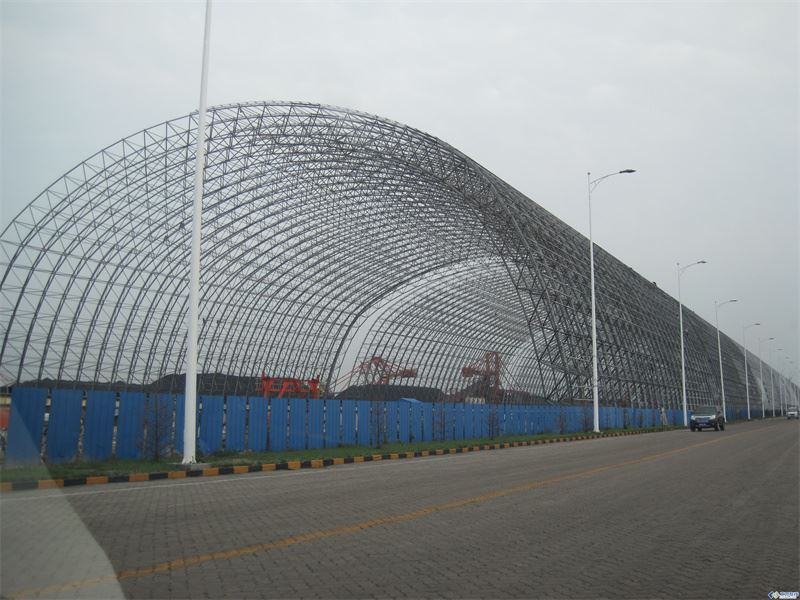

If any issues are detected during the inspection, they should be addressed promptly. Minor corrosion can be treated by removing the rust and applying a new paint or coating. More severe damage may require structural repairs or replacement of damaged members.
Environmental Considerations
The environment in which the steel structure is located also plays a significant role in its durability. In coastal areas, where the air contains a high concentration of salt, the risk of corrosion is much higher. In such cases, additional corrosion protection measures, such as using more corrosion - resistant steels or applying thicker coatings, may be necessary.
Industrial areas with high levels of pollution, such as chemical plants and power plants, can also pose a threat to steel structures. The presence of acidic gases, heavy metals, and other pollutants in the air can accelerate corrosion. Therefore, steel structures in these areas need to be designed and protected accordingly.
In cold - climate regions, the effects of freezing and thawing cycles on the steel structure must be considered. Steels with good toughness and ductility should be used to prevent brittle fracture in cold weather. Additionally, proper insulation and heating systems may be required to prevent ice formation on the structure.
Structural Monitoring
With the development of technology, structural monitoring systems can be installed in steel structures to continuously monitor their performance. These systems can measure parameters such as strain, stress, vibration, and displacement. By analyzing the data collected from these sensors, engineers can detect early signs of structural problems, such as excessive deformation or fatigue.
Structural monitoring can also help in optimizing the maintenance schedule. Instead of relying on fixed - interval inspections, maintenance can be carried out based on the actual condition of the structure. This approach can save costs and improve the overall durability of the structure.
Conclusion
Improving the durability of steel structures requires a comprehensive approach that includes material selection, surface treatment, design optimization, maintenance and inspection, environmental considerations, and structural monitoring. As a steel structure engineering supplier, we are committed to providing our customers with high - quality steel structures that are durable and reliable.
If you are interested in our steel structure products or need more information on how to improve the durability of your steel structures, please feel free to contact us for procurement and further discussions. We look forward to working with you to create long - lasting steel structures that meet your specific needs.
References
- ASCE/SEI 7 - 16, Minimum Design Loads and Associated Criteria for Buildings and Other Structures.
- AISC 360 - 16, Specification for Structural Steel Buildings.
- ISO 12944 - 1:2017, Paints and varnishes — Corrosion protection of steel structures by protective paint systems — Part 1: General introduction.
- ASTM A929/A929M - 19, Standard Specification for High - Strength Low - Alloy Columbium - Vanadium Hot - Rolled and Cold - Rolled Steel Sheet with Improved Atmospheric Corrosion Resistance.
Send Inquiry