


What is the impact of wind load on a steel structure hospital?
Aug 01, 2025
Leave a message
As a supplier of steel structure hospitals, I've witnessed firsthand the crucial role that wind load plays in the design and construction of these facilities. In this blog, I'll delve into the impact of wind load on a steel structure hospital, exploring the challenges it presents and the strategies we employ to ensure the safety and stability of our buildings.
Understanding Wind Load
Wind load refers to the force exerted by the wind on a structure. It is influenced by various factors, including wind speed, direction, terrain, and the shape and size of the building. In the case of a steel structure hospital, wind load can have a significant impact on its structural integrity, especially during extreme weather events such as hurricanes, typhoons, or strong storms.
When the wind blows against a building, it creates both positive and negative pressures. Positive pressure occurs on the windward side of the building, where the wind pushes against the structure. Negative pressure, on the other hand, occurs on the leeward side and the sides of the building, where the wind creates a suction effect. These pressures can cause the building to experience lateral forces, which can lead to structural deformation, damage, or even collapse if not properly addressed.
Impact on Structural Design
The impact of wind load on a steel structure hospital starts at the design stage. Structural engineers must carefully consider the wind conditions at the building site and use advanced computer modeling and analysis techniques to determine the appropriate design parameters. This includes calculating the wind forces acting on the building, assessing the structural response, and selecting the appropriate materials and structural systems to withstand these forces.
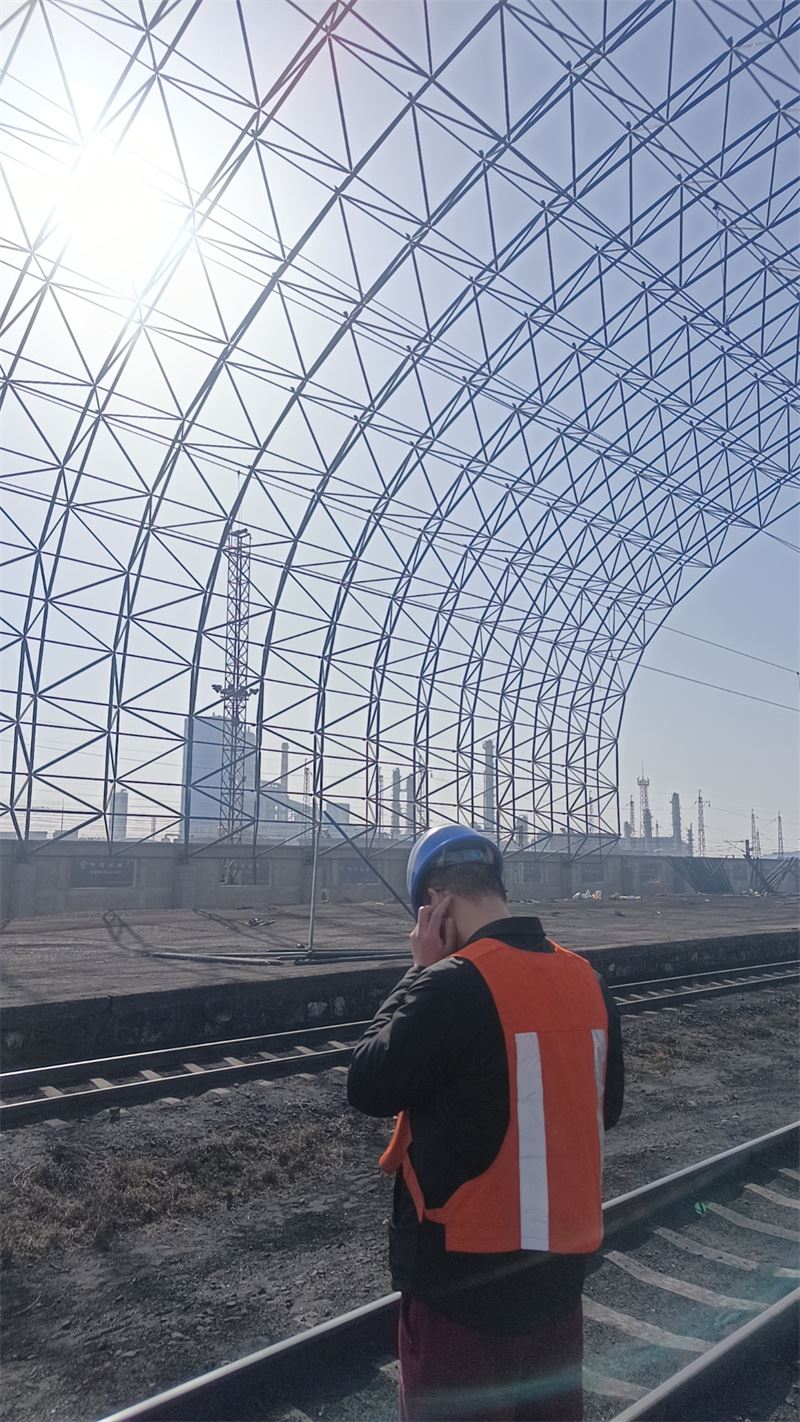

One of the key considerations in wind-resistant design is the shape of the building. Aerodynamic shapes, such as rounded or streamlined forms, can reduce wind resistance and minimize the impact of wind load. In addition, the orientation of the building can also affect its wind performance. By aligning the building with the prevailing wind direction, engineers can reduce the wind forces acting on the structure.
Another important aspect of wind-resistant design is the use of bracing systems. Bracing helps to distribute the wind forces throughout the structure and prevent excessive lateral movement. In a steel structure hospital, various types of bracing systems can be used, including diagonal bracing, moment frames, and shear walls. These systems work together to provide the necessary stiffness and strength to resist the wind load.
Challenges in Construction
Once the design is finalized, the next challenge is to ensure that the steel structure hospital is constructed in accordance with the design specifications. During construction, it is essential to follow strict quality control measures to ensure that the materials are of high quality and the construction techniques are proper. Any deviations from the design can compromise the structural integrity of the building and increase the risk of wind damage.
One of the challenges in constructing a steel structure hospital is the installation of the steel members. Steel components must be accurately fabricated and erected to ensure proper alignment and connection. This requires skilled labor and the use of specialized equipment and techniques. In addition, the construction process must be carefully coordinated to minimize the impact of wind on the construction site. For example, during the erection of the steel frame, it is important to secure the members to prevent them from being blown over by the wind.
Another challenge in construction is the installation of the building envelope. The building envelope, which includes the exterior walls, roof, and windows, plays a crucial role in protecting the building from the elements, including wind. It is important to ensure that the building envelope is properly sealed and installed to prevent air and water infiltration, which can lead to structural damage and energy loss.
Maintenance and Inspection
Even after the steel structure hospital is completed, the impact of wind load must be continuously monitored through regular maintenance and inspection. Over time, the structure may experience wear and tear, and the effects of wind load can accumulate. Regular inspections can help to identify any signs of damage or deterioration and take appropriate measures to address them before they become serious problems.
Maintenance activities for a steel structure hospital include checking the condition of the steel members, inspecting the bracing systems, and ensuring that the building envelope is in good condition. In addition, it is important to keep the surrounding area clear of debris and vegetation, which can increase the wind resistance and pose a risk to the building.
Strategies for Mitigation
In addition to proper design, construction, and maintenance, there are several strategies that can be employed to mitigate the impact of wind load on a steel structure hospital. One such strategy is the use of windbreaks. Windbreaks, such as trees or fences, can be installed around the building to reduce the wind speed and protect the structure from direct wind exposure.
Another strategy is the implementation of a wind monitoring system. A wind monitoring system can provide real-time information about the wind conditions at the building site, allowing building managers to take appropriate action in case of high winds. This may include evacuating the building, securing loose objects, or activating emergency response plans.
Furthermore, it is important to educate the building occupants about the importance of wind safety. This includes providing information about the wind hazards at the building site, instructing them on what to do during high winds, and conducting regular drills to ensure that they are prepared for emergencies.
Our Experience as a Supplier
As a [Your Company] supplier of steel structure hospitals, we have extensive experience in dealing with the impact of wind load. We work closely with structural engineers and architects to ensure that our buildings are designed and constructed to meet the highest standards of wind resistance. Our team of experts uses the latest technology and techniques to analyze the wind conditions at the building site and develop customized solutions that are tailored to the specific needs of each project.
In addition to our technical expertise, we also have a commitment to quality and safety. We source our steel materials from reputable suppliers and use strict quality control measures throughout the manufacturing and construction process. This ensures that our steel structure hospitals are not only strong and durable but also safe and reliable.
We understand that every project is unique, and we are dedicated to providing our clients with the best possible solutions. Whether it's a small rural hospital or a large urban medical complex, we have the knowledge and experience to deliver a wind-resistant steel structure that meets their needs.
Conclusion
In conclusion, the impact of wind load on a steel structure hospital is a complex and critical issue that requires careful consideration at every stage of the project, from design to construction and maintenance. By understanding the wind conditions, implementing appropriate design and construction strategies, and conducting regular inspections and maintenance, we can ensure the safety and stability of these important healthcare facilities.
If you are considering building a steel structure hospital, we invite you to [Contact Information]. Our team of experts will be happy to discuss your project and provide you with a customized solution that meets your specific needs and budget. Let us help you build a wind-resistant steel structure hospital that will serve your community for years to come.
References
- Allen, E. R., & Iano, J. (2017). The Architect's Studio Companion: Technical Guidelines for Preliminary Design (5th ed.). John Wiley & Sons.
- ASCE 7-16. (2016). Minimum Design Loads and Associated Criteria for Buildings and Other Structures. American Society of Civil Engineers.
- Simiu, E., & Scanlan, R. H. (1996). Wind Effects on Structures: Fundamentals and Applications to Design (3rd ed.). John Wiley & Sons.
Send Inquiry