


What is the difference between a steel structure truss bridge and a cable - stayed bridge?
Aug 04, 2025
Leave a message
Hey there! As a supplier of steel structure truss bridges, I often get asked about the differences between steel structure truss bridges and cable - stayed bridges. So, I thought I'd take a moment to break it down for you in a simple way.
Structure and Design
Let's start with the structure. A steel structure truss bridge is built using a framework of triangular units. These triangles are super important because they're really stable. They distribute the load evenly across the bridge, which means the bridge can handle a lot of weight without bending or breaking easily. It's like building with Lego blocks, but on a much, much larger scale. The trusses can be arranged in different ways, like the Pratt truss, the Warren truss, or the Howe truss, depending on the specific needs of the bridge, such as the span length and the type of traffic it'll carry.

On the other hand, a cable - stayed bridge has a very different look. It has one or more towers (also called pylons), and from these towers, cables are attached directly to the bridge deck. These cables support the deck, kind of like how the strings on a guitar support the body. The design of a cable - stayed bridge is more about using tension in the cables and compression in the towers to hold up the weight of the bridge and the traffic on it.
Span Length
When it comes to span length, cable - stayed bridges usually have an edge. They can cover much longer distances compared to steel structure truss bridges. Cable - stayed bridges can span anywhere from a few hundred meters to over a kilometer. For example, the Sutong Bridge in China has a main span of about 1088 meters. This makes them a great choice for crossing wide rivers, bays, or other large bodies of water.
Steel structure truss bridges, while they can have decent span lengths, are generally better suited for shorter to medium - length spans. They're often used for bridges that need to cross smaller rivers, valleys, or for overpasses on highways. A typical steel structure truss bridge might have a span of anywhere from 30 to 300 meters.
Aesthetics
Aesthetics play a big role in bridge design, and each type has its own unique look. Steel structure truss bridges have a very industrial, utilitarian look. The exposed trusses give them a sort of rugged, mechanical appearance. They can look really cool, especially in an urban or industrial setting, where they blend in with the surrounding architecture.
Cable - stayed bridges, on the other hand, are often considered more elegant and visually striking. The tall towers and the web of cables create a dynamic and graceful silhouette. They can become landmarks in a city or a region, attracting tourists and adding to the overall beauty of the area. For instance, the Golden Gate Bridge in San Francisco is an iconic suspension bridge (a close cousin of the cable - stayed bridge), and it's one of the most photographed bridges in the world.
Construction Process
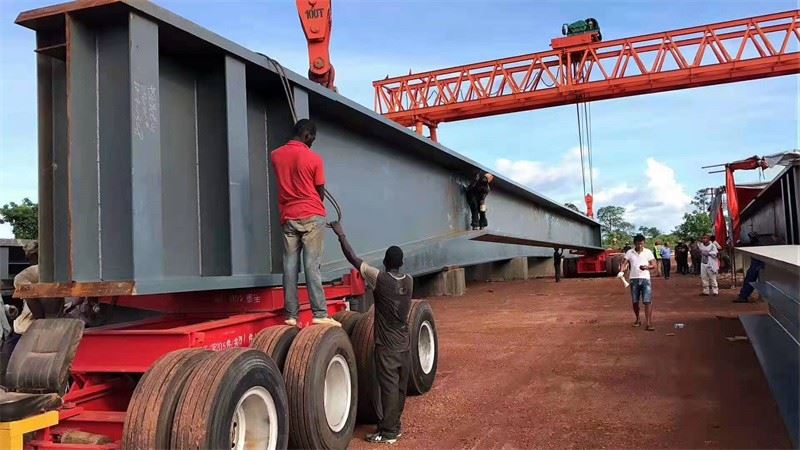
The construction process for these two types of bridges is also quite different. Building a steel structure truss bridge involves a lot of pre - fabrication. The truss sections are usually made in a factory and then transported to the construction site. Once on - site, they're assembled piece by piece, kind of like a giant jigsaw puzzle. This pre - fabrication method can speed up the construction process and reduce the amount of work that needs to be done on - site.
Cable - stayed bridge construction is more complex. First, the towers need to be built, which is a challenging task because they have to be very tall and very stable. Then, the cables need to be installed and tensioned precisely. This requires specialized equipment and a high level of engineering expertise. The deck construction also has to be carefully coordinated with the installation of the cables to ensure the bridge is balanced and stable.
Cost
Cost is always a consideration in any construction project. Steel structure truss bridges are generally more cost - effective, especially for shorter spans. The materials are relatively easy to source, and the construction process is less complex, which means lower labor and equipment costs. They're a great option for projects with a limited budget.
Cable - stayed bridges, on the other hand, are more expensive. The cost of the towers, the high - strength cables, and the specialized construction equipment all add up. Plus, the need for highly skilled engineers and workers also increases the overall cost. However, for very long - span bridges, the cost - effectiveness of cable - stayed bridges can improve because they can cover longer distances with fewer supports compared to other bridge types.
Maintenance
Maintenance is another important factor. Steel structure truss bridges require regular inspection to check for any signs of corrosion, fatigue, or damage to the truss members. The joints between the truss elements also need to be checked. Paint and coatings are often applied to protect the steel from rust, and any damaged parts need to be repaired or replaced in a timely manner.
Cable - stayed bridges also need regular maintenance, but the focus is different. The cables need to be inspected for signs of wear, corrosion, or loss of tension. The towers need to be checked for any structural damage, and the bridge deck has to be maintained to ensure a smooth and safe driving surface.
Applications
Steel structure truss bridges are widely used in various applications. They're great for railway bridges because they can handle the heavy loads of trains. They're also commonly used for highway overpasses, pedestrian bridges, and in industrial areas where a simple and cost - effective bridge solution is needed. You can check out more about Steel Structure Box Girder Bridge and Steel Structure Mobile Bridge on our website for different bridge options.
Cable - stayed bridges are often used for major transportation arteries, especially for crossing large bodies of water. They're also popular in urban areas where they can serve as a symbol of modern engineering and add to the city's skyline. If you're interested in cable - stayed bridges, you can find more information about Steel Structure Cable - Stayed Bridge.
So, Which One Should You Choose?
The choice between a steel structure truss bridge and a cable - stayed bridge depends on several factors. If you have a shorter span, a limited budget, and need a simple and reliable bridge, a steel structure truss bridge might be the way to go. On the other hand, if you need to cross a wide area, want a visually appealing bridge, and have the budget for a more complex project, a cable - stayed bridge could be the better option.
As a supplier of steel structure truss bridges, I'm here to help you make the right decision for your project. Whether you're a contractor, an engineer, or a government agency, I can provide you with high - quality steel structure truss bridges that meet your specific requirements. If you're interested in learning more or discussing a potential project, feel free to reach out. We can have a chat about your needs and see how we can work together to build the perfect bridge.
References
- "Bridge Engineering" by Subhash C. Das
- "Cable - Stayed Bridges: Concept and Design" by Fritz Leonhardt
- Various industry reports and research papers on bridge design and construction
Send Inquiry