


What are the transportation risks of bolt ball grid structure?
Jul 10, 2025
Leave a message
As a supplier of bolt ball grid structures, I've had my fair share of experiences with transporting these unique and often large - scale components. In this blog, I'll talk about the transportation risks associated with bolt ball grid structures and how we can manage them.
1. Physical Damage Risks
One of the most obvious risks during transportation is physical damage. Bolt ball grid structures consist of various parts like bolts, balls, and steel tubes. These components can be easily dented, scratched, or bent if not handled properly.
During loading and unloading, if the equipment used is not suitable or if the workers are not careful, the structures can get banged against hard surfaces. For example, a forklift might accidentally hit a steel tube, causing it to deform. Even a small dent in a bolt can affect its performance when it comes to assembly.
Vibrations during transit are another major culprit. Trucks, trains, or ships all generate vibrations as they move. If the bolt ball grid structures are not properly secured, these vibrations can cause the parts to collide with each other. Over time, this can lead to surface damage, and in severe cases, breakage.
2. Weather - Related Risks
Weather can play a significant role in the transportation of bolt ball grid structures. Rain and humidity are big problems. Steel components are prone to rusting when exposed to moisture for an extended period. If the structures are not covered adequately during transit and it starts to rain, the bolts and balls can quickly develop a layer of rust.
Extreme temperatures can also have an impact. In very cold weather, steel becomes more brittle. This means that during handling or due to vibrations, there is a higher risk of the components cracking. On the other hand, in hot weather, the metal can expand. If the structures are tightly packed and there is no room for expansion, it can lead to internal stress and potentially damage the parts.
3. Logistical Risks
Logistical issues can cause a lot of headaches when transporting bolt ball grid structures. These structures are often large and bulky, which means they require special handling and transportation arrangements.
Finding the right carrier can be a challenge. Not all transportation companies have the experience or the equipment to handle bolt ball grid structures. Some carriers may not have the appropriate trailers or containers to ensure the safe transit of these components.
Route planning is also crucial. Low - hanging bridges, narrow roads, or sharp turns can pose problems for transporting large structures. If the route is not carefully planned, there is a risk of the structures getting stuck or damaged during the journey.
4. Regulatory Risks
Different regions have different regulations regarding the transportation of large and heavy goods. As a supplier, we need to ensure that we comply with all these regulations.
Some areas may require special permits for transporting oversized or overweight loads. Failure to obtain these permits can result in fines, delays, and even the seizure of the cargo. Additionally, there may be restrictions on the time of day when these types of loads can be transported. For example, some cities may not allow large trucks to drive through during peak traffic hours.
Managing the Risks
Now that we've identified the risks, let's talk about how we can manage them.
1. Proper Packaging
Using high - quality packaging materials is essential. We can use foam padding to protect the components from impacts and vibrations. Wrapping the structures in plastic sheets can also help prevent moisture damage. For larger structures, custom - made crates can be designed to provide a secure and stable environment during transit.
2. Securing the Load
Properly securing the bolt ball grid structures on the transportation vehicle is crucial. We can use straps, chains, and braces to keep the components in place. Regular inspections during transit can ensure that the load remains secure and that no shifting has occurred.
3. Weather Protection
Monitoring the weather forecast before transportation is a must. If bad weather is expected, we can postpone the shipment or take extra precautions. Covering the structures with waterproof tarps can protect them from rain and snow. In extreme temperature conditions, we can use insulation materials to regulate the temperature inside the packaging.
4. Partnering with Reliable Carriers
Working with experienced carriers who have a good track record in transporting large and heavy goods is important. These carriers are more likely to have the right equipment and knowledge to handle bolt ball grid structures safely. We can also ask for references and check their safety records before hiring them.
5. Regulatory Compliance
Staying updated on the transportation regulations in different regions is essential. We can work with legal experts or transportation consultants to ensure that we have all the necessary permits and comply with all the rules. This can help avoid any legal issues and delays during transit.
Applications of Bolt Ball Grid Structures
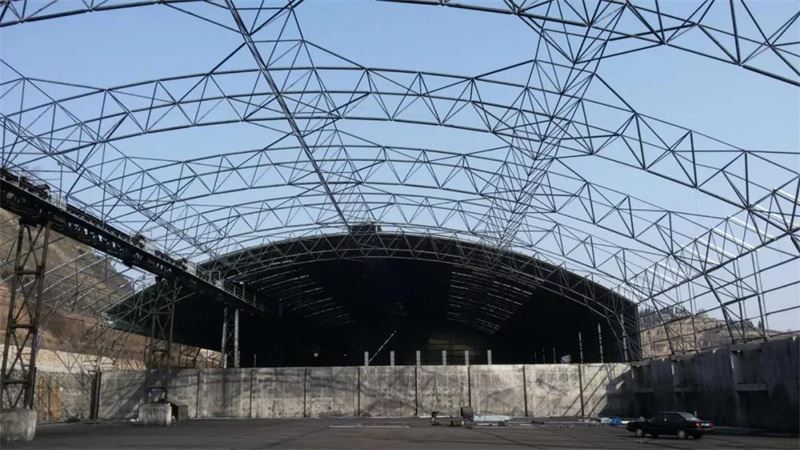
Bolt ball grid structures have a wide range of applications. For instance, you can check out the Steel Structure Bolt Ball Grid Station, which showcases how these structures can be used in building stations. They are also commonly used in coal sheds, like the Steel Structure Bolt Ball Grid Coal Shed. Moreover, educational institutions can benefit from the use of these structures, as seen in the Steel Structure Bolt Ball Grid School.
If you're in the market for high - quality bolt ball grid structures and want to discuss your project requirements, feel free to reach out. We're here to provide you with the best solutions and ensure a smooth transportation process for your structures.

References
- Steel Construction Manual, American Institute of Steel Construction
- Transportation Regulations Handbook, Federal Highway Administration
Send Inquiry