


What are the effects of temperature changes on a steel structure truss bridge?
Oct 15, 2025
Leave a message
Hey there! I'm a supplier of steel structure truss bridges, and today I wanna talk about how temperature changes can affect these amazing structures. Steel structure truss bridges are pretty cool. They're strong, durable, and can span long distances. But just like anything else, they're not immune to the effects of Mother Nature, especially temperature changes.
First off, let's talk about thermal expansion and contraction. Steel, like most materials, expands when it gets hot and contracts when it cools down. This is a basic property of matter, and it can have some significant impacts on a steel structure truss bridge.
When the temperature rises, the steel in the bridge will expand. If the bridge isn't designed to handle this expansion properly, it can lead to a whole bunch of problems. For example, the expansion can cause the bridge to buckle or warp. This is because the steel is trying to expand, but it's being restricted by the structure's design or the supports. As a result, the steel can start to bend or twist, which can compromise the bridge's integrity.
On the flip side, when the temperature drops, the steel will contract. This contraction can also cause issues. If the bridge isn't flexible enough to accommodate the contraction, it can lead to cracking or even failure. The stress from the contraction can put a lot of pressure on the joints and connections in the bridge, which can cause them to break or loosen over time.
Another effect of temperature changes on a steel structure truss bridge is the impact on the bridge's load - carrying capacity. When the steel expands or contracts due to temperature changes, it can change the way the bridge distributes loads. For instance, if the expansion causes the bridge to warp, it can shift the load from the intended load - bearing members to other parts of the structure. This can lead to overloading in some areas, which can increase the risk of failure.
Temperature changes can also affect the corrosion rate of the steel. In general, higher temperatures can speed up the corrosion process. When the steel is exposed to moisture and oxygen, which are common in outdoor environments, corrosion can occur. And when the temperature is high, the chemical reactions that cause corrosion happen more quickly. This means that a steel structure truss bridge in a hot climate may require more frequent maintenance to prevent corrosion from weakening the structure.
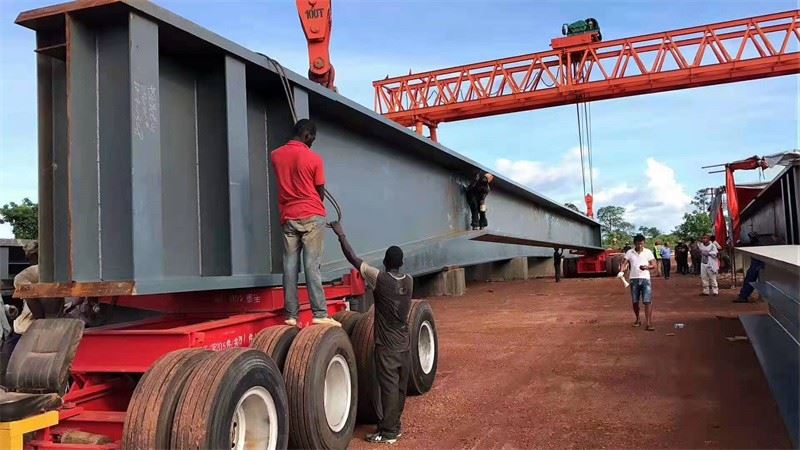

Now, let's talk about how we, as a steel structure truss bridge supplier, deal with these temperature - related issues. We design our bridges with thermal expansion and contraction in mind. We use special joints and connections that can allow the steel to expand and contract without causing damage to the structure. These joints are designed to be flexible, so they can move with the steel as it changes size due to temperature variations.
We also use high - quality coatings on our steel to protect it from corrosion. These coatings act as a barrier between the steel and the environment, preventing moisture and oxygen from reaching the steel surface. And we make sure to test our bridges thoroughly to ensure that they can withstand a wide range of temperature conditions.
When it comes to load - carrying capacity, we use advanced engineering techniques to analyze how temperature changes will affect the bridge's performance. We take into account factors like the type of steel, the bridge's design, and the expected temperature range in the area where the bridge will be installed. This way, we can ensure that the bridge will be able to safely carry the intended loads, even when the temperature fluctuates.
It's important to note that different types of steel structure bridges may be affected differently by temperature changes. For example, a Steel Structure Arch Bridge has a different design compared to a steel structure truss bridge. The arch shape of the arch bridge can distribute loads in a unique way, and the way it responds to temperature changes may be different. Similarly, a Steel Structure Box Girder Bridge and a Steel Structure Mobile Bridge have their own characteristics when it comes to thermal expansion and contraction.
As a supplier, we have the expertise to understand these differences and design bridges that are suitable for different temperature conditions. Whether you need a bridge for a hot and humid climate or a cold and snowy one, we can customize the design to meet your specific needs.
If you're in the market for a steel structure truss bridge, it's crucial to consider the temperature conditions in the area where the bridge will be located. Don't just focus on the initial cost or the appearance of the bridge. Think about the long - term performance and durability, especially in relation to temperature changes.
We're here to help you make the right choice. Our team of experts can provide you with all the information you need about how temperature changes will affect your bridge and how we can design it to handle those effects. We have a proven track record of supplying high - quality steel structure truss bridges that can withstand a variety of environmental conditions.
So, if you're interested in learning more about our steel structure truss bridges or if you have any questions about how temperature changes can impact your bridge project, don't hesitate to reach out. We're ready to have a chat with you and discuss your requirements. Whether it's a small - scale project or a large - scale infrastructure development, we have the solutions for you.
In conclusion, temperature changes can have a significant impact on a steel structure truss bridge. But with proper design, materials, and maintenance, these effects can be managed effectively. As a supplier, we're committed to providing you with the best possible bridges that can stand the test of time, regardless of the temperature. So, let's work together to build a bridge that meets your needs and lasts for generations.
References
- "Structural Steel Design" by Jack C. McCormac
- "Thermal Effects in Bridges" by various authors in the Journal of Bridge Engineering
Send Inquiry