


How to prevent corrosion in a steel structure gymnasium?
Jul 25, 2025
Leave a message
Corrosion is a persistent challenge in the maintenance of steel structure gymnasiums. As a trusted steel structure gymnasium supplier, I understand the significance of preventing corrosion to ensure the longevity and safety of these facilities. In this blog post, I will share some effective strategies to prevent corrosion in a steel structure gymnasium.
Understanding the Causes of Corrosion
Before delving into prevention methods, it is essential to understand the factors that contribute to corrosion in steel structures. Corrosion is an electrochemical process that occurs when steel reacts with oxygen and moisture in the environment. In a gymnasium setting, several factors can accelerate this process:
- Moisture: Gymnasiums are often humid environments due to sweating, showers, and cleaning activities. Moisture can accumulate on the steel surfaces, providing an ideal condition for corrosion to occur.
- Chemicals: Cleaning agents, disinfectants, and sweat can contain chemicals that react with the steel, causing corrosion.
- Temperature fluctuations: Rapid changes in temperature can lead to condensation on the steel surfaces, increasing the risk of corrosion.
- Pollution: Air pollution, including dust, dirt, and industrial emissions, can settle on the steel and promote corrosion.
Surface Preparation
Proper surface preparation is the first step in preventing corrosion in a steel structure gymnasium. Before applying any protective coatings, the steel surfaces must be thoroughly cleaned and prepared to ensure good adhesion. Here are some common surface preparation methods:
- Shot blasting: This method involves propelling small steel shots at high speed onto the steel surface to remove rust, scale, and other contaminants. Shot blasting creates a rough surface profile, which improves the adhesion of the protective coating.
- Sandblasting: Similar to shot blasting, sandblasting uses sand or other abrasive materials to clean the steel surface. Sandblasting is effective for removing stubborn rust and paint.
- Chemical cleaning: Chemical cleaners can be used to remove grease, oil, and other contaminants from the steel surface. However, it is important to choose a cleaner that is compatible with the steel and the protective coating.
Protective Coatings
Applying a protective coating is one of the most effective ways to prevent corrosion in a steel structure gymnasium. There are several types of protective coatings available, each with its own advantages and disadvantages. Here are some common types of protective coatings:
- Epoxy coatings: Epoxy coatings are known for their excellent adhesion, chemical resistance, and durability. They are commonly used in industrial and commercial applications, including steel structure gymnasiums.
- Polyurethane coatings: Polyurethane coatings offer good weather resistance, abrasion resistance, and flexibility. They are often used in outdoor applications, as well as in gymnasiums where aesthetics are important.
- Zinc-rich coatings: Zinc-rich coatings contain a high percentage of zinc, which provides sacrificial protection to the steel. Zinc-rich coatings are effective in preventing corrosion in harsh environments, such as coastal areas.
When choosing a protective coating, it is important to consider the specific requirements of the gymnasium, such as the level of exposure to moisture, chemicals, and abrasion. It is also important to follow the manufacturer's instructions for application and maintenance.
Cathodic Protection
Cathodic protection is a technique used to prevent corrosion by making the steel structure the cathode of an electrochemical cell. There are two main types of cathodic protection: sacrificial anode protection and impressed current protection.
- Sacrificial anode protection: This method involves attaching a more reactive metal, such as zinc or magnesium, to the steel structure. The sacrificial anode corrodes preferentially, protecting the steel from corrosion. Sacrificial anode protection is relatively simple and cost-effective, but it has a limited lifespan.
- Impressed current protection: This method involves applying an external electrical current to the steel structure to make it the cathode of an electrochemical cell. Impressed current protection is more complex and expensive than sacrificial anode protection, but it can provide long-term protection in harsh environments.
Cathodic protection is often used in combination with protective coatings to provide additional corrosion protection.
Maintenance and Inspection
Regular maintenance and inspection are essential for preventing corrosion in a steel structure gymnasium. Here are some maintenance and inspection tips:

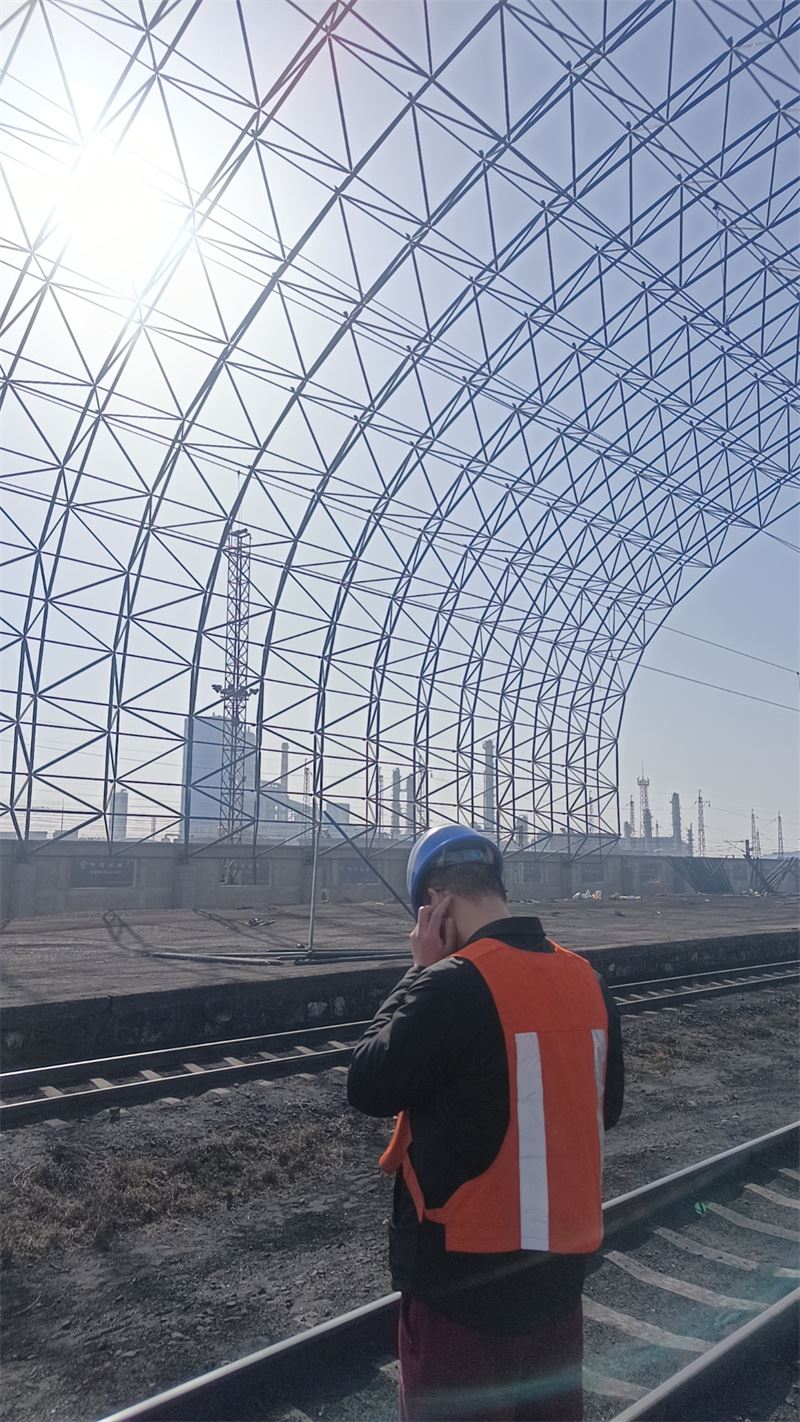
- Clean the steel surfaces regularly: Remove dirt, dust, and other contaminants from the steel surfaces using a mild detergent and water. Avoid using abrasive cleaners or tools that can damage the protective coating.
- Inspect the protective coating regularly: Look for signs of damage, such as cracks, peeling, or blistering, in the protective coating. Repair any damage immediately to prevent corrosion from occurring.
- Check for signs of corrosion: Look for signs of rust, discoloration, or pitting on the steel surfaces. If corrosion is detected, take immediate action to prevent it from spreading.
- Monitor the environmental conditions: Keep an eye on the humidity, temperature, and chemical levels in the gymnasium. Take steps to control these factors to prevent corrosion from occurring.
Conclusion
Preventing corrosion in a steel structure gymnasium requires a comprehensive approach that includes surface preparation, protective coatings, cathodic protection, and regular maintenance and inspection. By following these strategies, you can ensure the longevity and safety of your steel structure gymnasium.
If you are interested in learning more about our steel structure gymnasiums or need help with corrosion prevention, please contact us for a consultation. We are committed to providing high-quality steel structure solutions and excellent customer service.
References
- Fontana, M. G. (1986). Corrosion engineering. McGraw-Hill.
- Uhlig, H. H., & Revie, R. W. (1985). Corrosion and corrosion control. Wiley.
- ASTM International. (2019). Standard practices for steel structures in building construction. ASTM.
Send Inquiry