


How to ensure the stability of a steel structure power plant?
Jun 27, 2025
Leave a message
How to Ensure the Stability of a Steel Structure Power Plant?
As a supplier of steel structure power plants, I understand the critical importance of ensuring the stability of these facilities. Steel structure power plants are widely used due to their numerous advantages, such as high strength, lightweight, and ease of construction. However, maintaining their stability is a complex task that requires careful planning, design, and implementation. In this blog post, I will share some key strategies and considerations for ensuring the stability of a steel structure power plant.
1. Rigorous Design and Engineering
The foundation of a stable steel structure power plant lies in its design and engineering. A professional and experienced engineering team is essential to ensure that the structure can withstand various loads and environmental conditions.
- Load Calculation: First and foremost, accurate load calculations are crucial. This includes dead loads (the weight of the structure itself), live loads (such as equipment, personnel, and moving objects), wind loads, seismic loads, and temperature loads. For example, in areas prone to strong winds, the design must account for the aerodynamic forces acting on the power plant. Engineers use advanced software and mathematical models to simulate these loads and ensure that the steel structure has sufficient strength and stiffness.
- Structural Analysis: Comprehensive structural analysis is carried out to evaluate the behavior of the steel structure under different load combinations. This involves analyzing the stress, strain, and deformation of each component, such as columns, beams, and trusses. Finite element analysis (FEA) is a commonly used method that can provide detailed insights into the structural performance. Based on the analysis results, the design can be optimized to ensure that all components work together effectively to resist the applied loads.
- Code Compliance: Adhering to relevant national and international standards and codes is non - negotiable. These codes, such as the American Institute of Steel Construction (AISC) standards in the United States or the Eurocode in Europe, provide guidelines for the design, fabrication, and installation of steel structures. They cover aspects such as material properties, connection design, and safety factors. By following these codes, we can ensure that the steel structure power plant meets the required safety and stability criteria.
2. High - Quality Materials
The quality of the steel materials used in the power plant has a direct impact on its stability.
- Material Selection: We carefully select high - strength steel with good ductility and toughness. Different grades of steel are available, and the choice depends on the specific requirements of the power plant. For example, in areas with high seismic activity, steels with excellent energy - absorbing capabilities are preferred. We also ensure that the steel materials meet the specified chemical and mechanical properties through strict quality control procedures.
- Quality Assurance: Before using the steel materials, we conduct thorough inspections and tests. This includes checking the material certificates, performing non - destructive testing (NDT) such as ultrasonic testing and magnetic particle testing to detect internal defects, and conducting mechanical property tests such as tensile tests and hardness tests. Only materials that pass these tests are used in the construction of the power plant.
3. Precise Fabrication and Installation
Proper fabrication and installation are essential for translating the design into a stable physical structure.
- Fabrication Precision: In the fabrication process, we use advanced manufacturing techniques and equipment to ensure the precision of the steel components. This includes accurate cutting, welding, and assembly. Welding is a critical process that requires skilled welders and strict quality control. We follow welding procedures that are qualified according to relevant standards to ensure the integrity of the welds. For example, the weld quality is inspected using NDT methods to detect any welding defects such as cracks or porosity.
- Installation Accuracy: During the installation of the steel structure, we use precise surveying and alignment techniques to ensure that the components are installed in the correct positions. This includes using laser levels and total stations to measure and control the elevation, alignment, and plumbness of the columns and beams. Proper connection between the components is also crucial. We use high - strength bolts or welded connections as specified in the design, and ensure that the connections are tightened or welded to the required torque or quality standards.
4. Regular Inspection and Maintenance
Even after the power plant is in operation, regular inspection and maintenance are necessary to ensure its long - term stability.
- Periodic Inspections: We conduct periodic inspections of the steel structure power plant to detect any signs of damage, deterioration, or deformation. These inspections can be visual inspections or more detailed inspections using NDT methods. For example, we check for corrosion, which can weaken the steel structure over time. If corrosion is detected, appropriate corrosion protection measures such as painting or galvanizing can be taken.
- Maintenance and Repair: Based on the inspection results, we carry out timely maintenance and repair work. This may include replacing damaged components, strengthening weak areas, or performing corrosion protection treatments. Regular maintenance helps to prevent small problems from developing into major structural issues and ensures the continued stability of the power plant.
5. Environmental Considerations
The environmental conditions around the power plant can also affect its stability.
- Corrosion Protection: Steel structures are susceptible to corrosion, especially in harsh environments such as coastal areas or areas with high levels of industrial pollution. We apply effective corrosion protection measures, such as using corrosion - resistant coatings or galvanizing the steel components. In addition, we design the power plant to have good drainage systems to prevent the accumulation of water, which can accelerate corrosion.
- Seismic and Wind Resistance: As mentioned earlier, in areas with high seismic activity or strong winds, the power plant design must be optimized to resist these natural forces. This may include adding additional bracing systems, using flexible connections, or designing the structure to have a low center of gravity. For example, in seismic - prone regions, base isolation systems can be used to reduce the seismic forces transmitted to the structure.
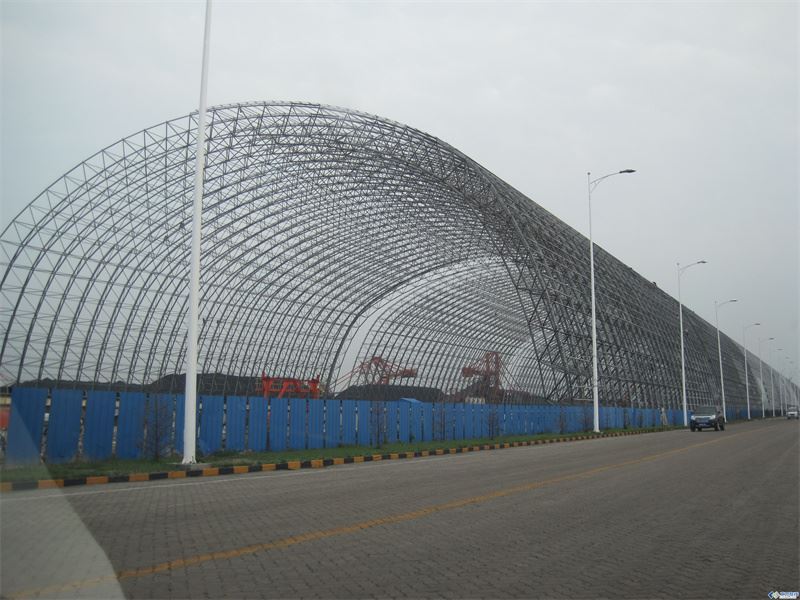
In addition to steel structure power plants, we also offer a wide range of other steel structure products, such as Steel Structure Office Building, Steel Structure Residential Building, and Steel Structure Coal Shed. These products also benefit from our expertise in ensuring stability and quality.
If you are interested in our steel structure power plants or other steel structure products, we welcome you to contact us for procurement and negotiation. We are committed to providing you with high - quality products and professional services to meet your specific needs.

References
- American Institute of Steel Construction (AISC). "Specification for Structural Steel Buildings".
- Eurocode, various parts related to steel structures.
- Structural Engineers Association of America (SEAA). Guidelines for the design and construction of steel structures.
Send Inquiry