


How to ensure the integrity of the steel structure during the construction of a steel structure hospital?
Jun 09, 2025
Leave a message
As a supplier of steel structure hospitals, I've seen firsthand the importance of ensuring the integrity of the steel structure during construction. It's not just about building a sturdy building; it's about creating a safe and reliable environment for patients, medical staff, and everyone who enters the hospital. In this blog post, I'll share some key steps and considerations to help you maintain the integrity of the steel structure throughout the construction process.
1. Quality Materials Selection
The foundation of a strong steel structure lies in the quality of the materials used. When sourcing steel for a hospital project, it's crucial to work with reputable suppliers who can provide high - grade steel that meets all relevant industry standards. Look for steel with the right chemical composition and mechanical properties. For example, the steel should have sufficient strength to withstand the loads it will bear, including the weight of the building itself, equipment, and people.
Don't cut corners on materials. Cheaper steel might seem like a cost - saving measure, but it can lead to serious problems down the line. A steel structure that fails due to low - quality materials can cause significant safety hazards and result in costly repairs. We always make sure to source our steel from trusted manufacturers, and we conduct thorough inspections of the materials upon delivery to ensure they meet our strict quality requirements.
2. Precise Design and Engineering
A well - designed steel structure is essential for its integrity. Before construction begins, a team of experienced engineers should conduct detailed structural analysis. They need to consider various factors such as the location of the hospital, local weather conditions, seismic activity, and the intended use of different areas within the building.
For example, in areas prone to earthquakes, the steel structure should be designed to absorb and dissipate seismic energy. This might involve using special connection details and bracing systems. The design should also account for the installation of medical equipment, as some heavy machinery can put additional stress on the structure.
We work closely with engineering firms that have a proven track record in designing steel structure hospitals. They use advanced software to model the structure and simulate different loading scenarios. This helps us identify potential weak points in the design and make necessary adjustments before construction starts.
3. Skilled Fabrication
Once the design is finalized, the next step is fabrication. The steel components need to be fabricated with precision to ensure they fit together correctly during assembly. Fabrication involves cutting, welding, and shaping the steel according to the design specifications.
Skilled welders are crucial in this process. A poor weld can compromise the strength of the entire structure. Welders should be certified and experienced in working with steel for hospital construction. They need to follow strict welding procedures and quality control measures.
At our fabrication facilities, we have a team of highly trained welders and fabricators. We use state - of - the - art equipment to ensure accurate cutting and welding. We also perform non - destructive testing on the fabricated components to detect any hidden defects, such as cracks in the welds.
4. Proper Installation
Installation is where all the hard work in design and fabrication comes together. A proper installation process is vital for the integrity of the steel structure. The installation team should follow a well - planned sequence to ensure that the steel components are erected safely and accurately.
First, the foundation needs to be prepared correctly. The steel columns must be firmly anchored to the foundation to prevent any movement or settlement. During the erection process, the columns, beams, and braces should be aligned precisely. Any misalignment can lead to uneven stress distribution in the structure, which can cause long - term problems.
We always provide detailed installation manuals and work closely with the installation contractors. Our technical support team is available on - site during the installation to answer any questions and ensure that the process goes smoothly.
5. Quality Control and Inspection
Throughout the construction process, continuous quality control and inspection are necessary. Regular inspections should be carried out at different stages, from material delivery to the final installation. Inspectors should check for proper welding, correct dimensions, and overall structural integrity.
Non - destructive testing methods, such as ultrasonic testing and magnetic particle testing, can be used to detect internal defects in the steel. Visual inspections are also important to identify any visible signs of damage or improper installation.
We have a comprehensive quality control system in place. Our in - house inspectors and third - party inspectors work together to ensure that every aspect of the construction meets our quality standards. Any issues identified during the inspections are addressed immediately to prevent further problems.
6. Protection Against Corrosion
Steel is susceptible to corrosion, especially in a hospital environment where there might be exposure to moisture, chemicals, and other corrosive substances. Corrosion can weaken the steel structure over time and compromise its integrity.
To protect the steel, appropriate corrosion protection measures should be taken. This can include applying high - quality paint coatings, galvanizing, or using corrosion - resistant steel alloys. The coating should be applied correctly and regularly maintained to ensure its effectiveness.

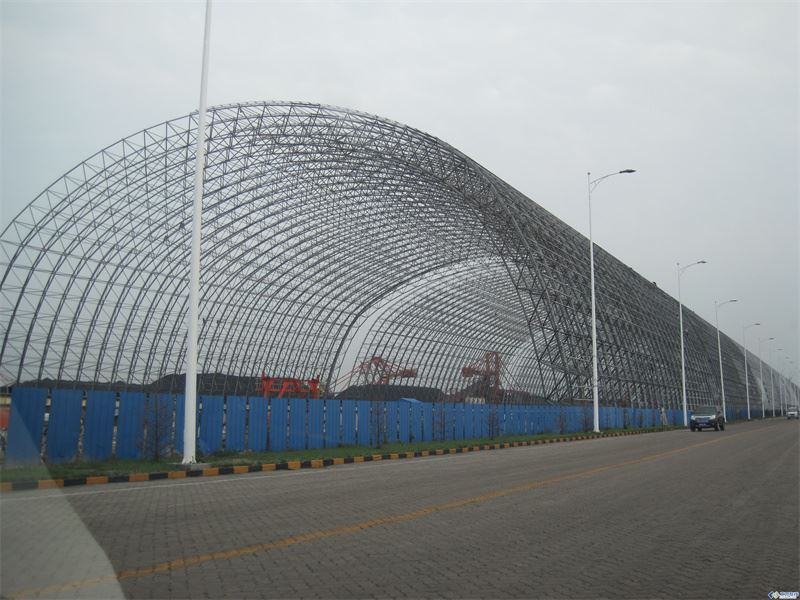
We recommend using a multi - layer coating system that provides long - term protection. We also provide guidelines on how to maintain the coating over the life of the hospital to prevent corrosion.
7. Monitoring During and After Construction
During construction, it's important to monitor the behavior of the steel structure. This can be done using sensors to measure factors such as stress, strain, and displacement. Monitoring helps to detect any unexpected changes in the structure's performance and allows for timely intervention if necessary.
After the hospital is completed, long - term monitoring can also be beneficial. This can help identify any signs of deterioration or structural issues that might develop over time. We can use the data from the monitoring to plan for maintenance and repairs in a proactive manner.
Industry Examples and Related Projects
We've been involved in various steel structure projects, not just hospitals. For instance, we've worked on Steel Structure Station, Steel Structure Gymnasium, and Steel Structure Coal Shed. These projects have given us valuable experience in different types of steel structure construction, and we've applied the same principles of ensuring structural integrity in all of them.
Conclusion
Ensuring the integrity of the steel structure during the construction of a steel structure hospital is a complex but achievable goal. By focusing on quality materials, precise design, skilled fabrication, proper installation, quality control, corrosion protection, and monitoring, we can build a safe and reliable hospital.
If you're planning a steel structure hospital project and are looking for a reliable supplier, we'd love to have a chat with you. Our team has the expertise and experience to help you every step of the way. Whether it's answering your questions about materials, design, or construction, we're here to assist. Reach out to us to start the conversation about your project and how we can ensure the success of your steel structure hospital.
References
- "Structural Steel Design" by Jack C. McCormac
- "Steel Construction Manual" by American Institute of Steel Construction
- Various industry standards and guidelines related to steel structure construction in hospitals.
Send Inquiry