


Can a steel structure venue be used for educational institutions?
May 27, 2025
Leave a message
As a supplier of steel structure venues, I often encounter inquiries about the feasibility of using steel structures in educational institutions. In this blog, I will explore the potential of steel structure venues for educational purposes, considering their advantages, design possibilities, and real - world applications.
Advantages of Steel Structure Venues for Educational Institutions
1. Cost - effectiveness
One of the most significant advantages of steel structure venues is their cost - effectiveness. Steel is generally less expensive than traditional building materials such as concrete and brick. The manufacturing process of steel components can be highly standardized, which reduces labor costs and construction time. For educational institutions, which often operate on tight budgets, a steel structure venue can provide a high - quality space at a lower cost. This cost savings can be redirected towards educational resources, teacher training, or other important aspects of the institution.
2. Durability and Strength
Steel is known for its exceptional durability and strength. It can withstand harsh weather conditions, including strong winds, heavy snow, and earthquakes. Educational institutions need buildings that can provide a safe and stable environment for students and staff. A steel structure venue can offer long - term structural integrity, reducing the need for frequent repairs and maintenance. This reliability ensures that the educational activities can continue without disruptions caused by structural issues.
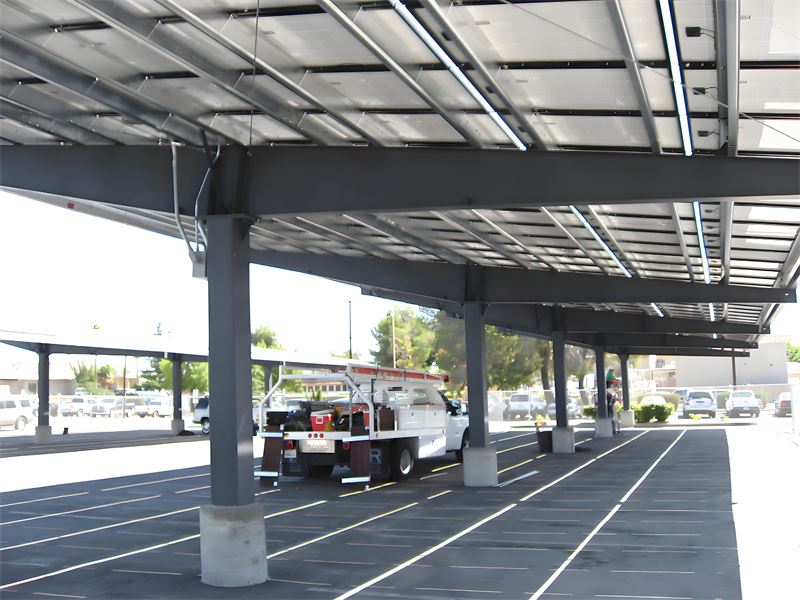

3. Design Flexibility
Steel structure venues offer unparalleled design flexibility. The strength - to - weight ratio of steel allows for large open spaces without the need for excessive columns or supports. This is particularly beneficial for educational institutions, as it can create versatile learning environments. For example, a large open - plan steel structure can be used as a multi - purpose hall for assemblies, sports events, or exhibitions. Additionally, steel can be easily fabricated into various shapes and sizes, enabling architects to design unique and innovative educational spaces that inspire creativity and learning.
4. Sustainability
In today's world, sustainability is a key consideration for all construction projects, including those in educational institutions. Steel is a highly recyclable material, which means that at the end of its life cycle, it can be reused to create new steel products. Using steel in building construction reduces the demand for virgin materials and minimizes waste. Moreover, steel structure venues can be designed to incorporate energy - efficient features such as insulation and solar panels, further reducing their environmental impact.
Design Possibilities for Educational Steel Structure Venues
1. Classroom Buildings
Steel structure can be used to construct classroom buildings. The open - plan design of steel structures allows for flexible classroom layouts. Teachers can easily reconfigure the space to accommodate different teaching methods, such as group work or individual study. Additionally, large windows can be incorporated into the design to provide natural light, which has been shown to improve student concentration and well - being.
2. Sports Facilities
Educational institutions often require sports facilities such as gymnasiums and swimming pools. Steel structure venues are ideal for these applications due to their ability to span large distances without intermediate supports. A steel - framed gymnasium can provide a clear and unobstructed space for various sports activities, while a steel - enclosed swimming pool can be designed to be energy - efficient and durable.
3. Libraries and Learning Centers
Libraries and learning centers need quiet, well - lit, and spacious environments. Steel structures can be designed to meet these requirements. The large open spaces can accommodate extensive book collections, study areas, and multimedia facilities. The flexibility of steel also allows for future expansion or reconfiguration of the space as the educational needs of the institution change.
4. Specialized Laboratories
For educational institutions with science or technology programs, specialized laboratories are essential. Steel structure venues can be customized to meet the specific requirements of these laboratories, such as ventilation systems, electrical wiring, and equipment installation. The strength of steel can support the heavy equipment used in scientific research, ensuring a safe and functional environment.
Real - World Applications
1. Case Studies of Educational Steel Structure Venues
There are numerous examples of successful educational steel structure venues around the world. For instance, some schools in earthquake - prone regions have adopted steel structures for their buildings due to their seismic resistance. These buildings have withstood earthquakes without significant damage, protecting the lives of students and staff.
In addition, many universities have constructed steel - framed sports facilities and libraries. These structures not only provide functional spaces but also enhance the aesthetic appeal of the campus. The Steel Structure Shopping Mall and Steel Structure Corridor concepts can also inspire the design of educational spaces, offering ideas for efficient use of space and innovative architectural forms.
2. Adaptability to Different Educational Levels
Steel structure venues are suitable for educational institutions at all levels, from primary schools to universities. For primary schools, the colorful and modern appearance of steel structures can create a fun and inviting learning environment. At the university level, the flexibility and durability of steel can support advanced research and teaching activities.
Considerations and Challenges
1. Fire Resistance
One of the main challenges of using steel in educational institutions is its fire resistance. Steel loses its strength at high temperatures, which can pose a risk in the event of a fire. However, this can be mitigated through the use of fire - resistant coatings and proper fire - protection systems. Educational institutions need to ensure that all fire safety regulations are met when using steel structure venues.
2. Acoustic Performance
Another consideration is the acoustic performance of steel structure venues. Steel can transmit sound easily, which may cause noise problems in educational spaces. To address this issue, appropriate acoustic insulation materials can be used during the construction process.
3. Local Building Codes and Regulations
Before constructing a steel structure venue for an educational institution, it is essential to comply with local building codes and regulations. These codes may specify requirements for structural design, fire safety, and accessibility. Working with experienced architects and engineers who are familiar with these regulations is crucial to ensure a successful project.
Conclusion
In conclusion, steel structure venues have great potential for use in educational institutions. Their cost - effectiveness, durability, design flexibility, and sustainability make them an attractive option for schools and universities. While there are some challenges to overcome, such as fire resistance and acoustic performance, these can be addressed through proper design and construction techniques.
If you are an educational institution considering a new building project or renovation, I encourage you to explore the possibilities of steel structure venues. As a supplier of steel structure venues, I have the expertise and resources to help you design and construct a high - quality, functional, and sustainable educational space. Contact us to start the conversation about your project and explore how a steel structure venue can meet your educational needs.
References
- American Institute of Steel Construction. (2023). Steel Construction Manual.
- National Fire Protection Association. (2023). Fire Safety Codes.
- International Building Code. (2023). Building Regulations for Educational Facilities.
Send Inquiry